
What Is a Laparoscopic Hysterectomy?
Laparoscopic hysterectomy is a surgery to remove the uterus using small cuts and a camera. Doctors use special tools to perform this procedure. Because it is less invasive than open surgery, recovery is often quicker. Many women ask about the reasons for laparoscopic hysterectomy. In fact, doctors recommend this method for several health conditions. Understanding laparoscopic hysterectomy indications can help you make informed choices.
Common Indications for Laparoscopic Hysterectomy
Doctors suggest laparoscopic hysterectomy for different reasons. Some of the most common indications include:
Sometimes, doctors also recommend this surgery for other rare conditions. However, they always check if less invasive treatments work first.
Symptoms and Conditions Leading to Surgery
Many women experience symptoms that lead to a laparoscopic hysterectomy. For example, you may have:
Often, these symptoms do not improve with medicine or other treatments. In such cases, doctors may suggest surgery. Still, every patient is different, so your doctor will discuss your options.
How Doctors Diagnose the Need for Laparoscopic Hysterectomy
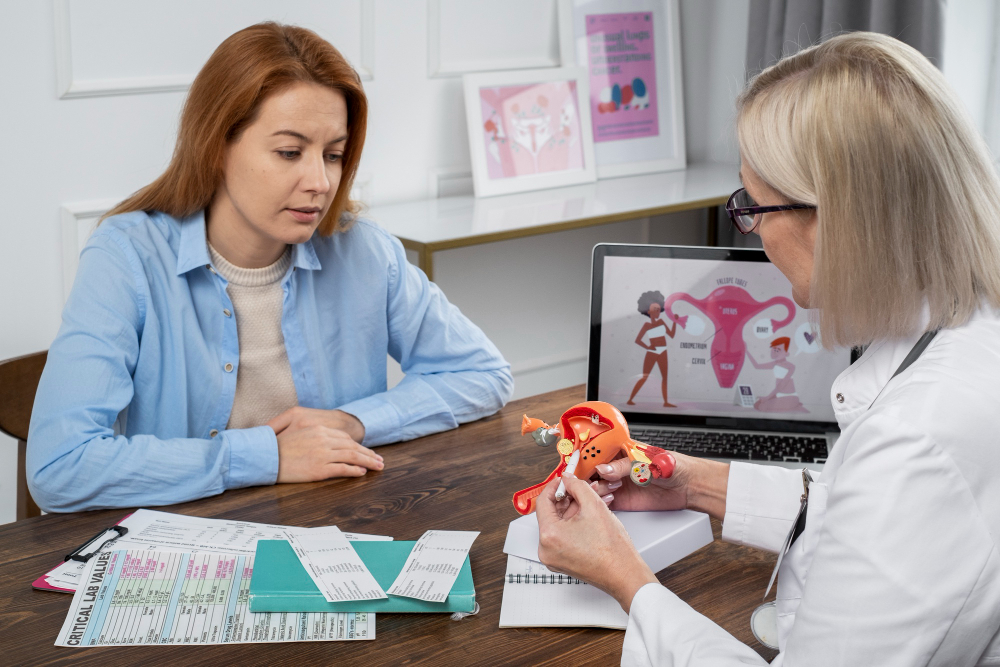
Doctors use several steps to decide if you need this surgery. First, they ask about your symptoms and medical history. Next, they may perform a physical exam. In addition, doctors often order tests, such as:
After reviewing all results, your doctor will explain if laparoscopic hysterectomy is the best option. Sometimes, they may suggest other treatments first.
Benefits of Laparoscopic Approach
Laparoscopic surgery offers many benefits compared to open surgery. For instance, you may have:
Because of these advantages, many doctors prefer the laparoscopic method when possible. However, not everyone is a candidate. Your doctor will help you decide what is best for your health.
Prevention and Lifestyle Considerations
While some causes of hysterectomy cannot be prevented, healthy habits may lower your risk. For example, you can:
Even so, some conditions like fibroids or endometriosis may still develop. Early diagnosis can help you manage symptoms and explore all treatment options.
Conclusion
Laparoscopic hysterectomy indications include several health conditions that do not improve with other treatments. If you have symptoms or concerns, consult a specialist at Saigal Diagnostics for personalized advice on laparoscopic hysterectomy indications.